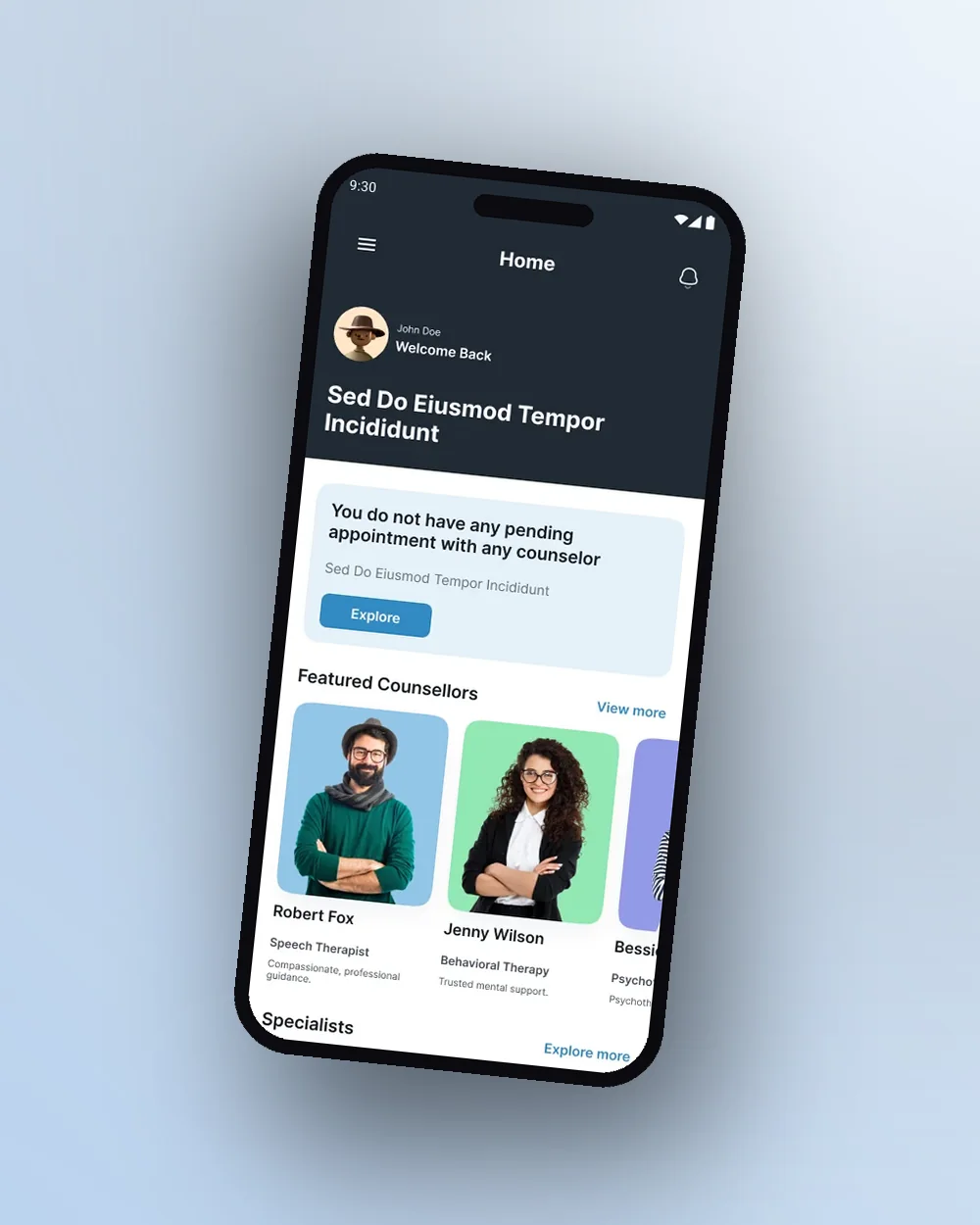
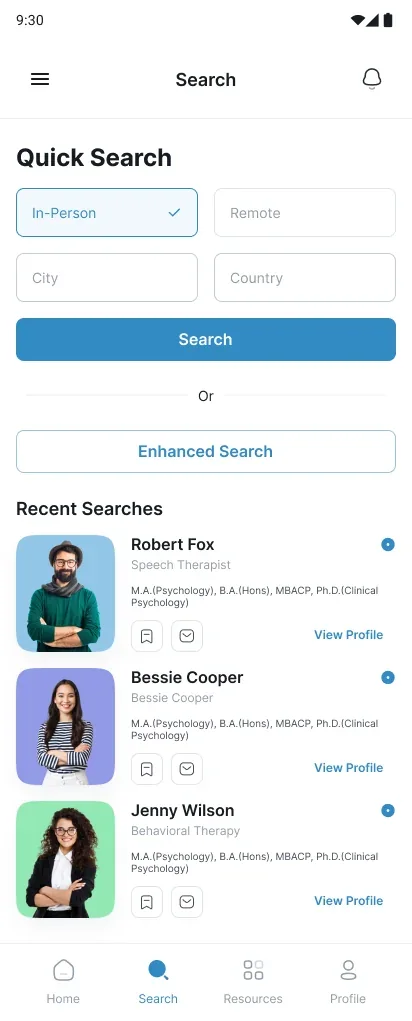
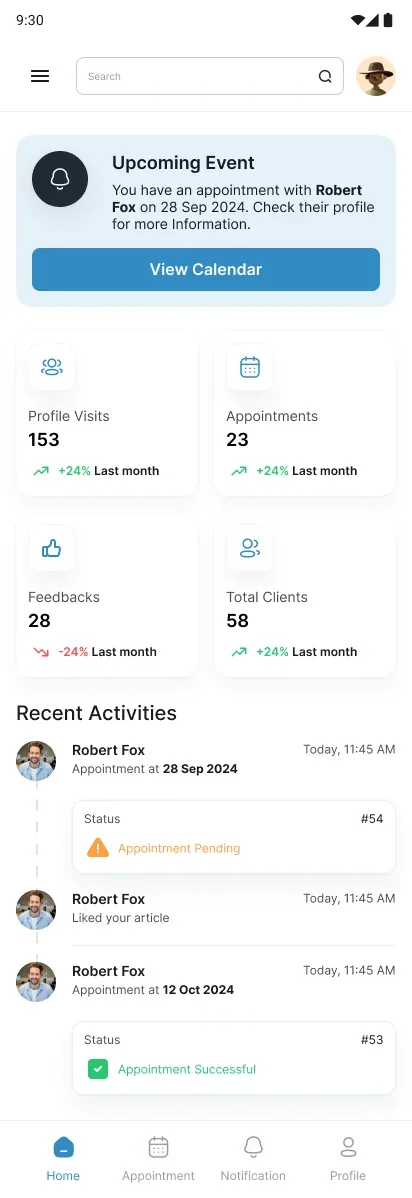
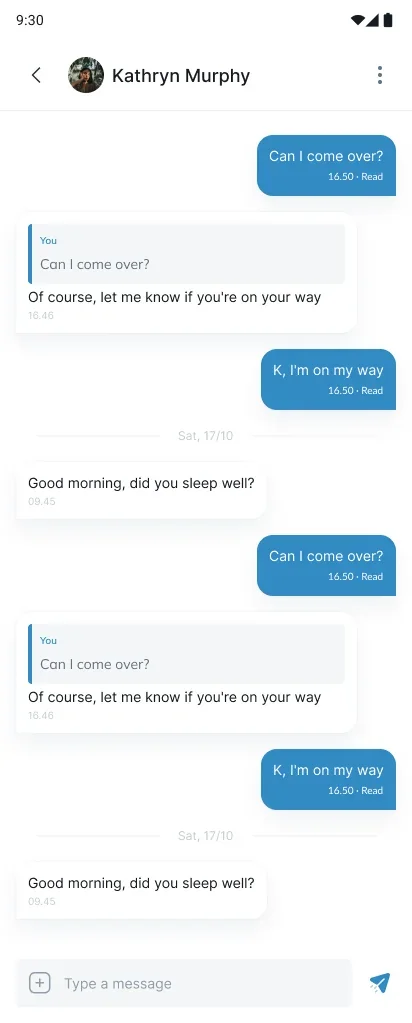
A clinic is trusted because it is a building. A telemedicine app has to earn that in a scroll: the full F4C counselling experience, designed in Figma and handed over for development.
The brief
Credibility is the conversion mechanic.
F4C is a telemedicine platform for counselling, a category where the first job of the interface is convincing someone that real care happens here. Telemedicine asks people to accept that without a waiting room, a building or a physical handshake.
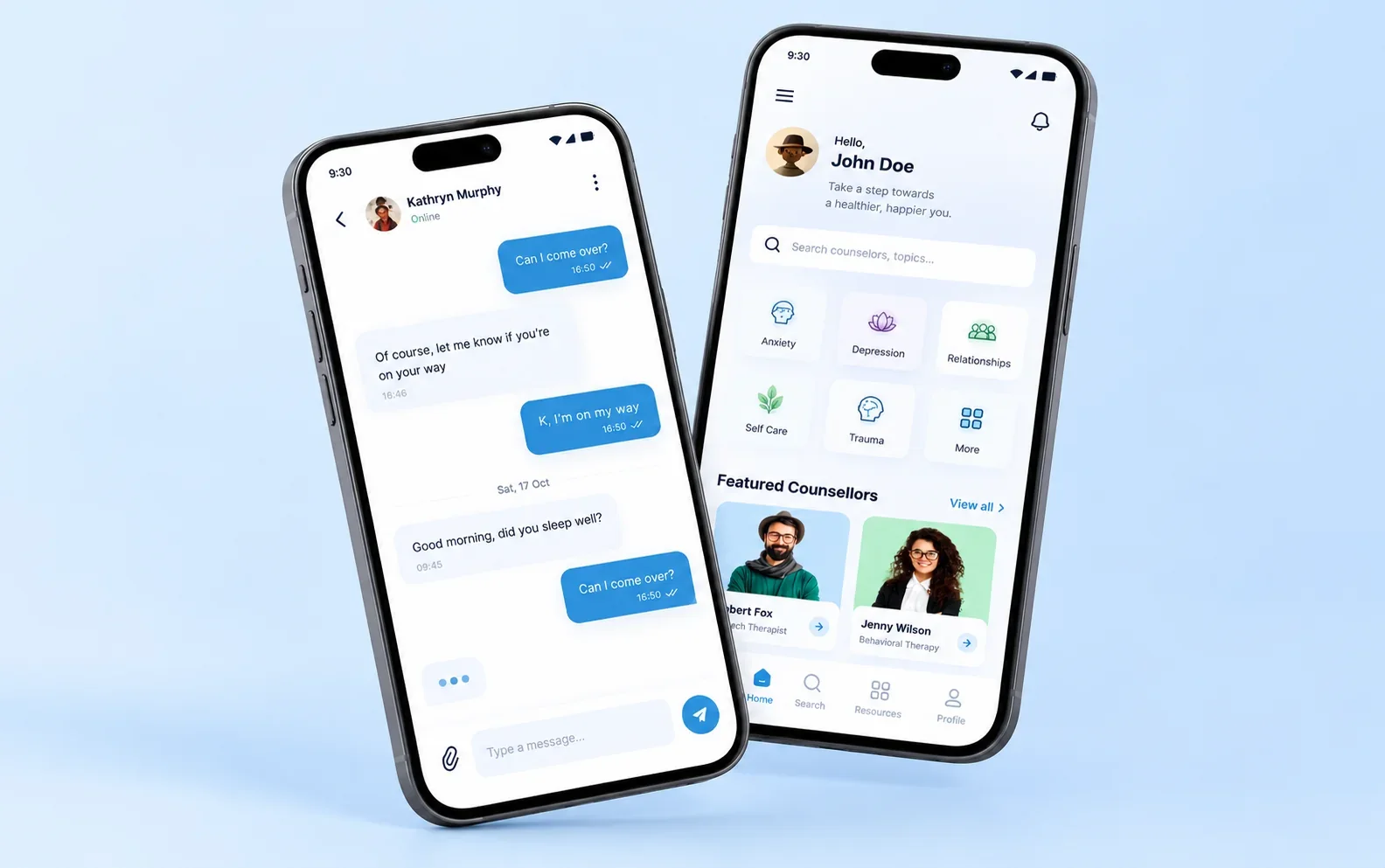
Every reassurance a clinic gets free from existing in a place has to be constructed on a screen. A layout that reads as a startup landing page undermines the proposition; one that reads as an insurance form kills it a different way. The brief was the whole experience, from finding a counsellor to talking to them between sessions, and the same standard had to hold on every screen.
What we developed
Practitioners and process, before persuasion.
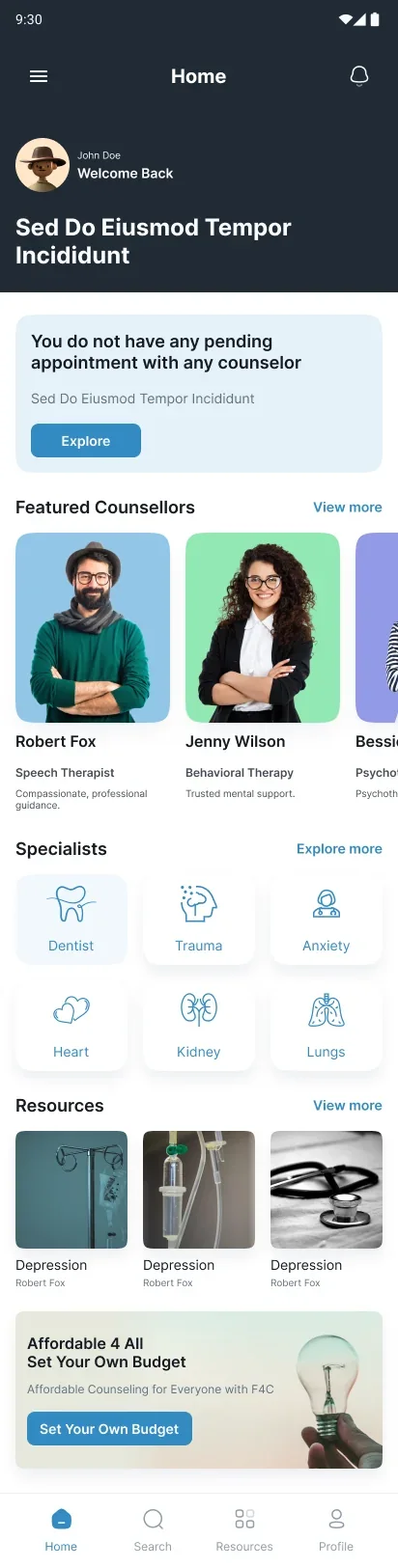
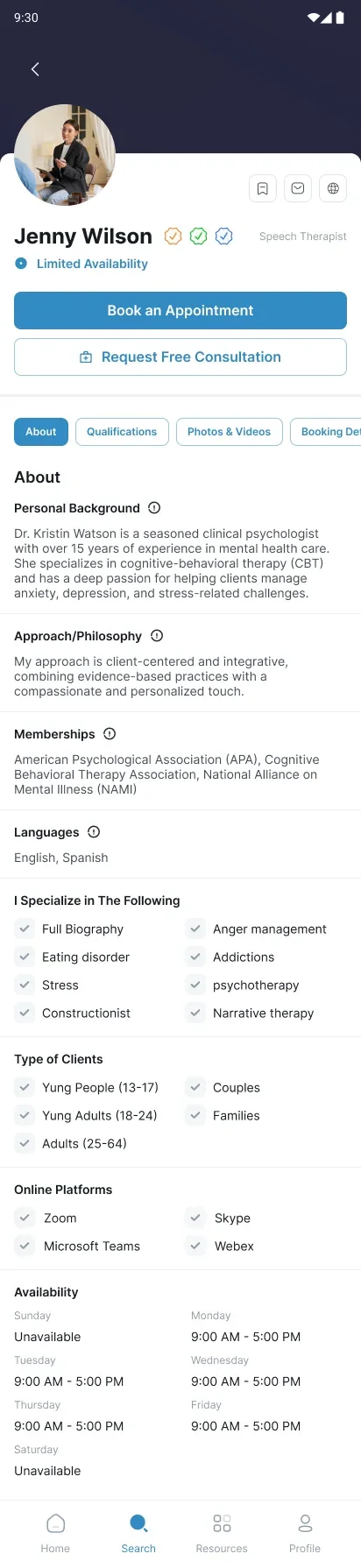
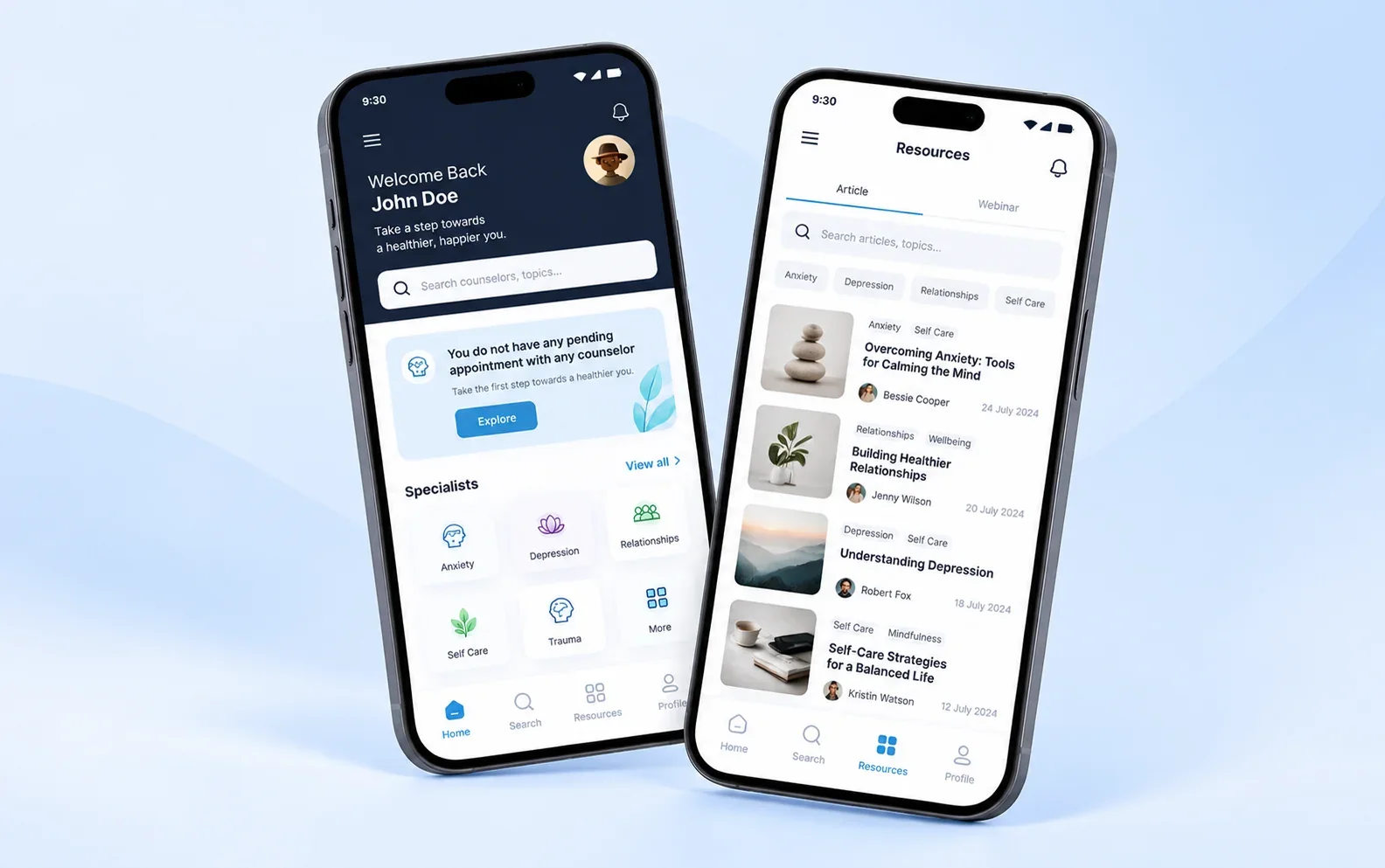
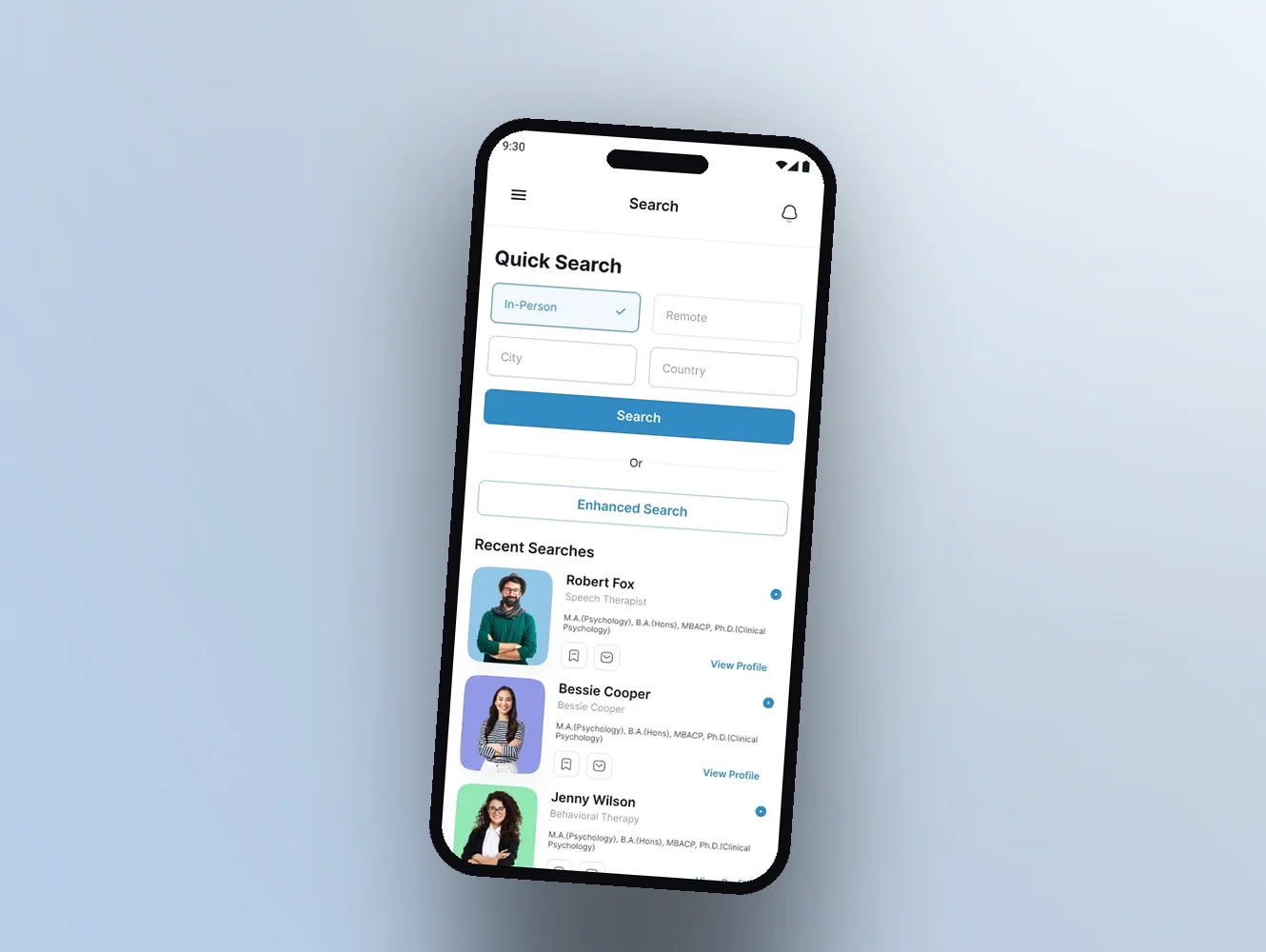
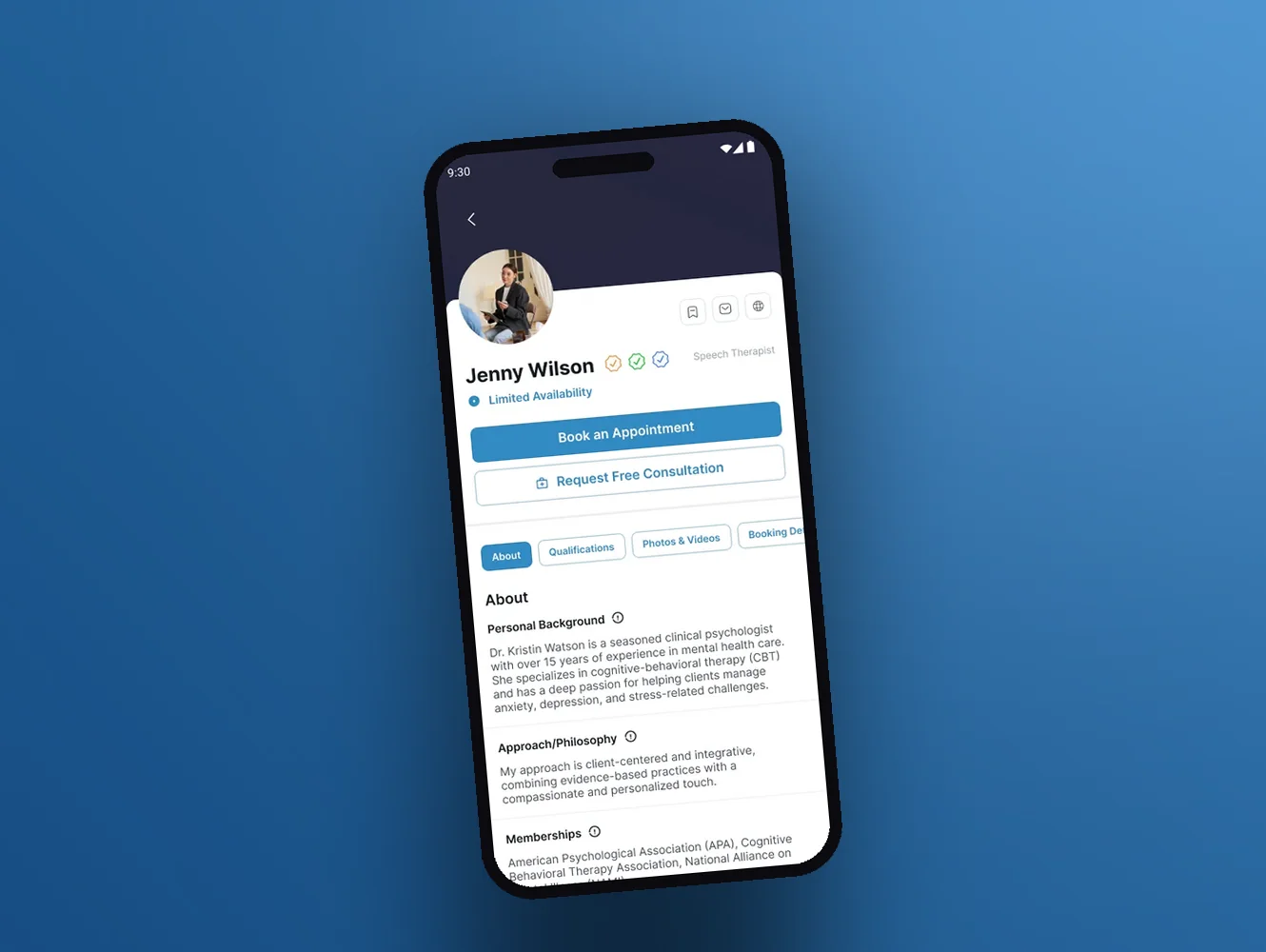
Credibility as a design system rather than a brand attribute applied on top. The information architecture front-loads the substance: who the counsellors are, what they specialise in, how a session works and what it costs, instead of saving it for a sub-page.
A restrained visual language, developed to survive the scrutiny of someone deciding whether to trust their mental health to a screen, and every screen given a clear onward path so that interest converts while it lasts.
What shipped
One system, every screen.
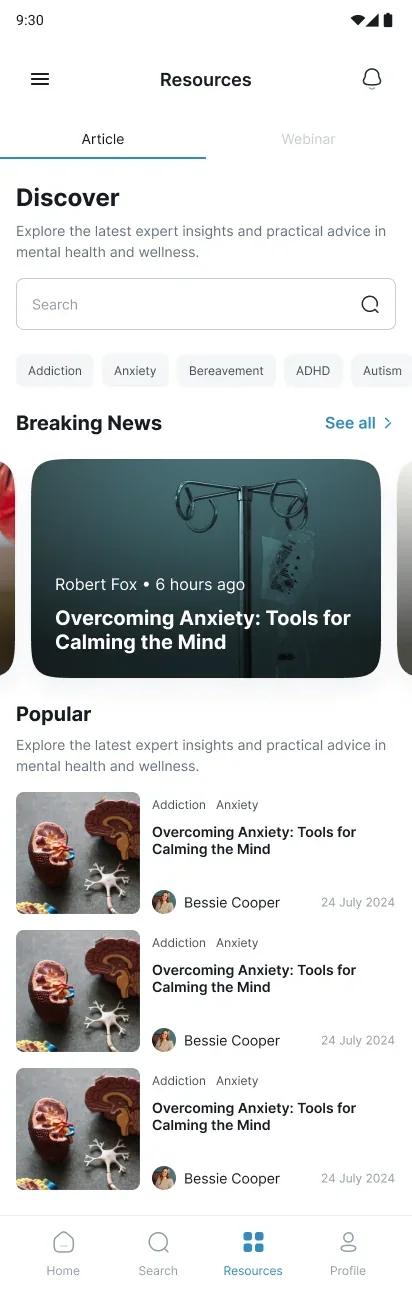
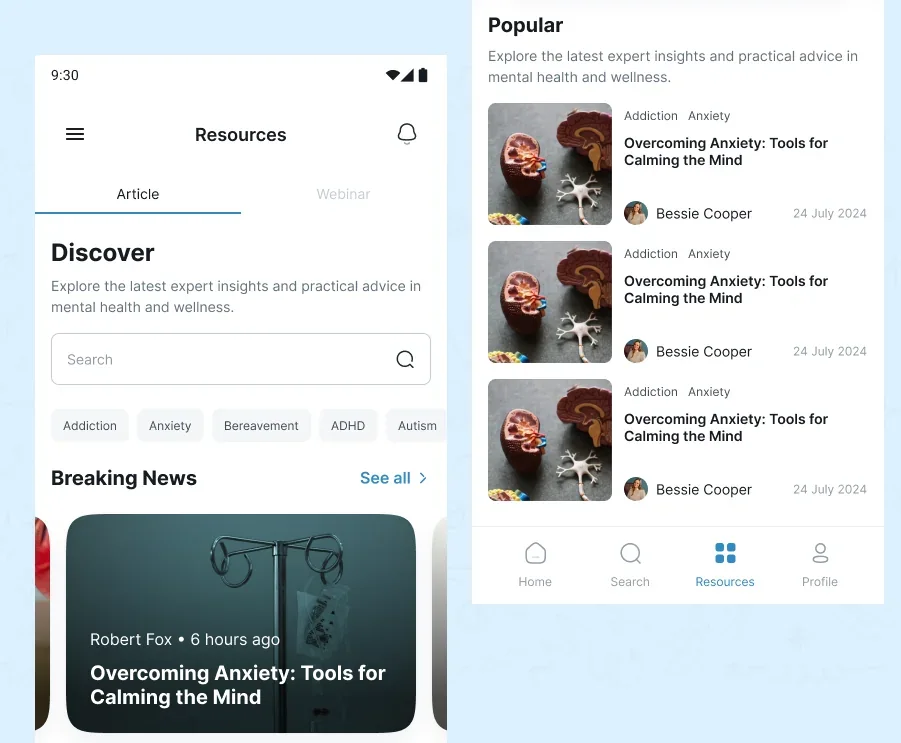
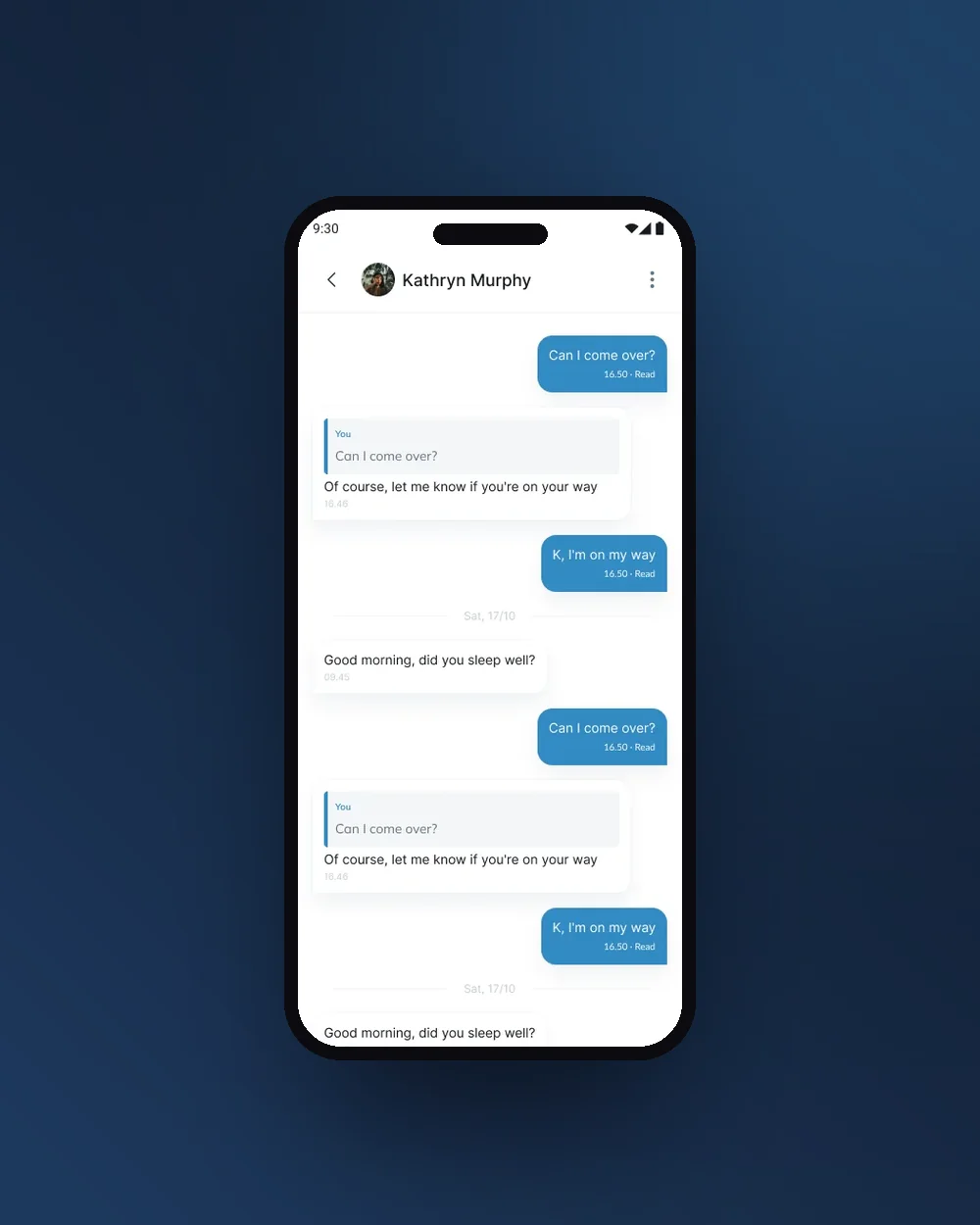
The complete app and website design delivered in Figma and handed over for development: search, counsellor profiles, booking, dashboard, chat and resources on one design system. One of seven healthcare engagements in the portfolio.
Every reassurance a clinic gets free from being a building has to be constructed on a screen.